Theo Angelopoulos versus Eddy Verloes
A cinematic dialogue between the melancholic visual language of the Greek master director Theo Angelopoulos and the dreamy, hushed photographic worlds of Eddy Verloes—where physical landscapes transform into poetic settings of memory and alienation.
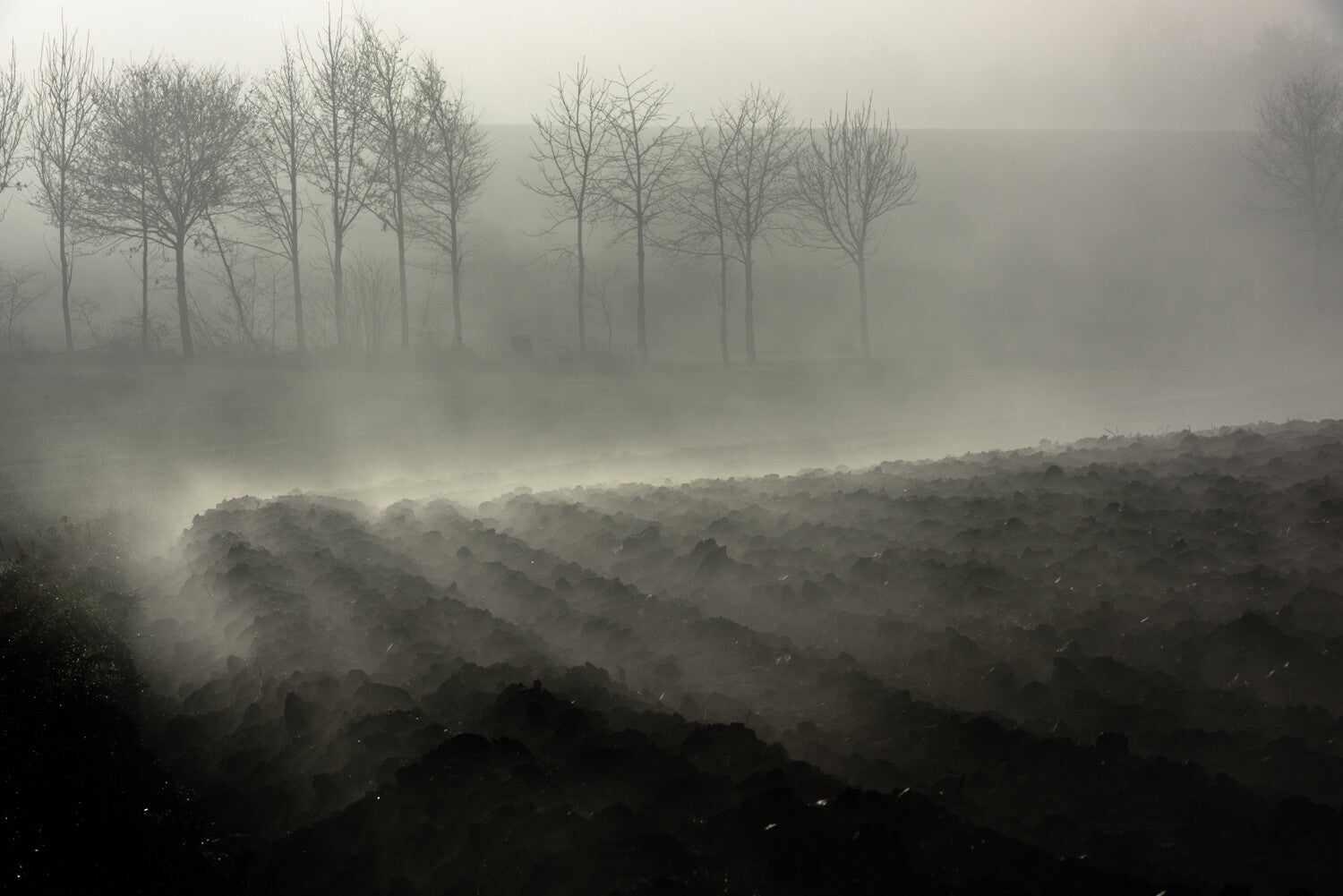
The interplay of mist, light and desolate landscapes
Both Verloes and Angelopoulos employ mist, stormy coastlines, and vast, open spaces as a poetic veil. Familiar reality fades away, giving way to a dreamlike, hypnotic atmosphere in which linear time dissolves and stands still.
Theo Angelopoulos is renowned for his iconic 'landscapes in the mist', in which the boundary between reality and a dreamlike state is blurred by mist and diffuse light. Eddy Verloes is known for his masterful use of black-and-white contrasts, silhouettes, and the interplay between light and shadow. He deliberately omits information—hiding it within darkness or mist—to compel the viewer to slow down and engage in contemplation.
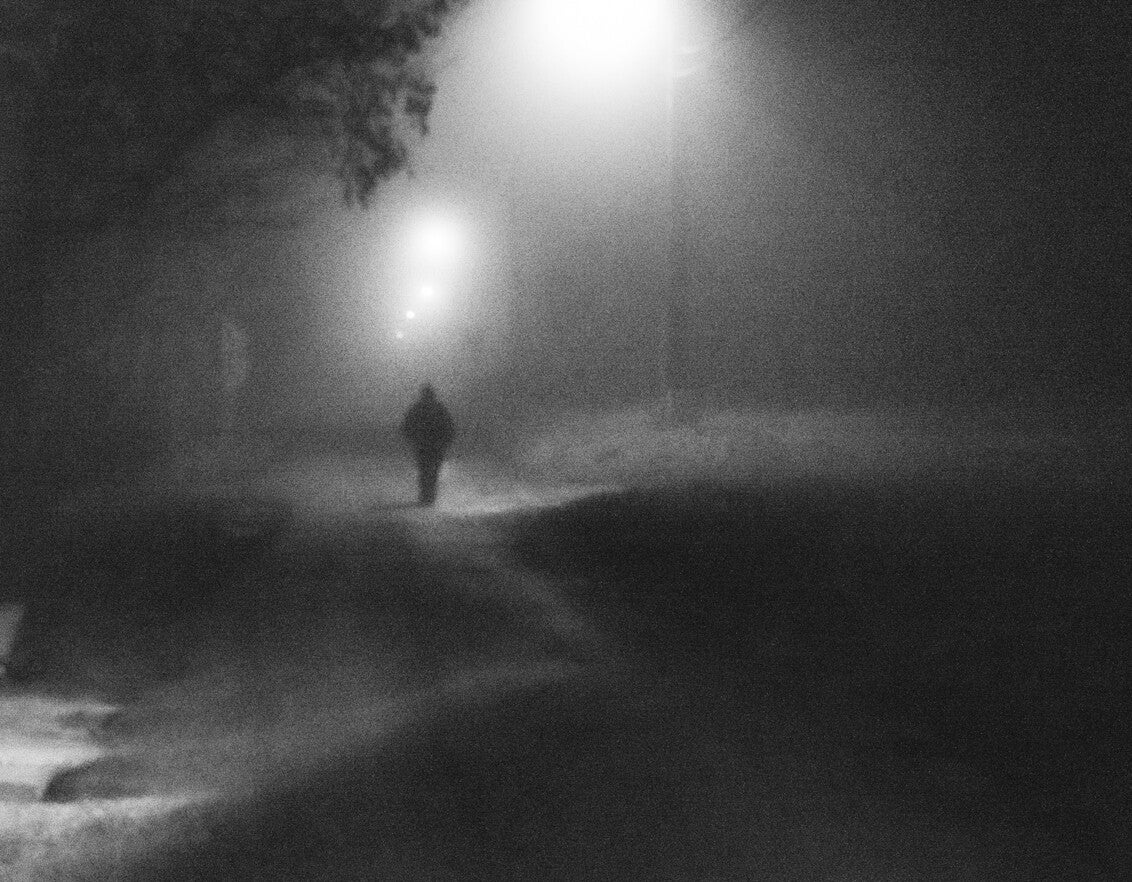
Loneliness and hushed deceleration
Inspired by masterpieces such as Landscape in the Mist (Theo Angelopoulos) and series like Inside the Outside (Eddy Verloes), solitary silhouettes move through the landscape. These are not casual snapshots, but frozen film frames, imbued with contemplation, existential melancholy, and a cinematic stillness.
The aesthetics of silence and solitude
Theo Angelopoulos: Characterized by slow, contemplative long takes, an elliptical narrative structure, and characters moving through misty, almost timeless landscapes or border regions. Eddy Verloes: Works with a highly hushed, symbolic-poetic idiom. His images often capture a profound sense of solitude, isolation, and human vulnerability, in which mist, shadows, and solitary figures evoke the same languid, almost ominous atmosphere found in the work of Angelopoulos.
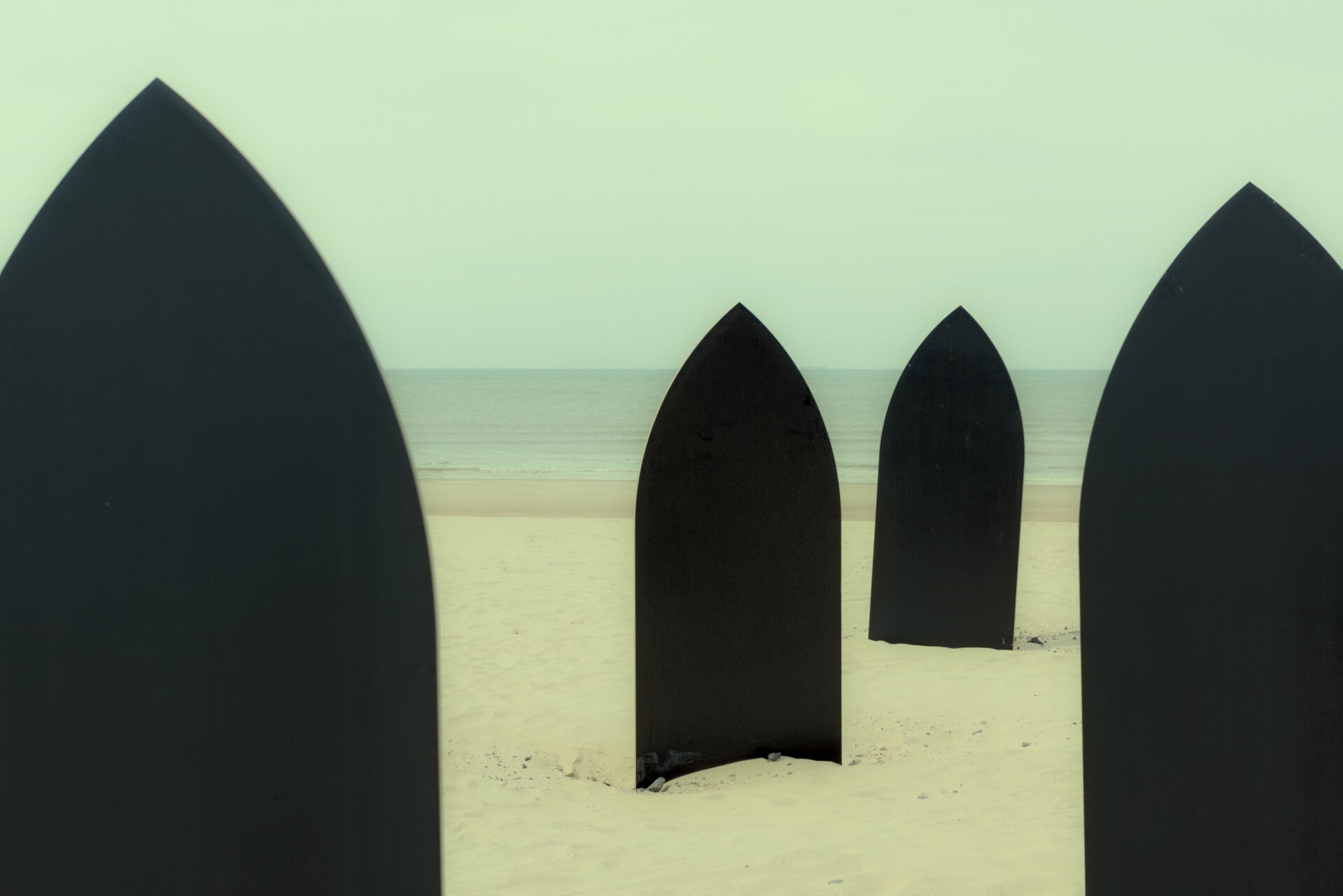
The treshold between two worlds
The works balance on the dividing line between the visible and the imagined. Much like in the poetic cinema of Angelopoulos, dream, reality, and memory flow seamlessly into one another, resulting in images that invite deep introspection.
Transcending the anecdotal
Both artists refuse to provide a flat or purely documentary depiction of reality. While Angelopoulos elevates Greek history into universal myths and human odysseys, Verloes avoids the pitfall of the inconsequential snapshot: his images are so highly stylized that they continue to linger in the mind’s eye long after one has finished viewing them.