Léonard Misonne versus Eddy Verloes
A fascinating artistic dialogue between two Belgian image-makers who transform the everyday into poetic, atmospheric, and painterly images, rich in emotional depth.
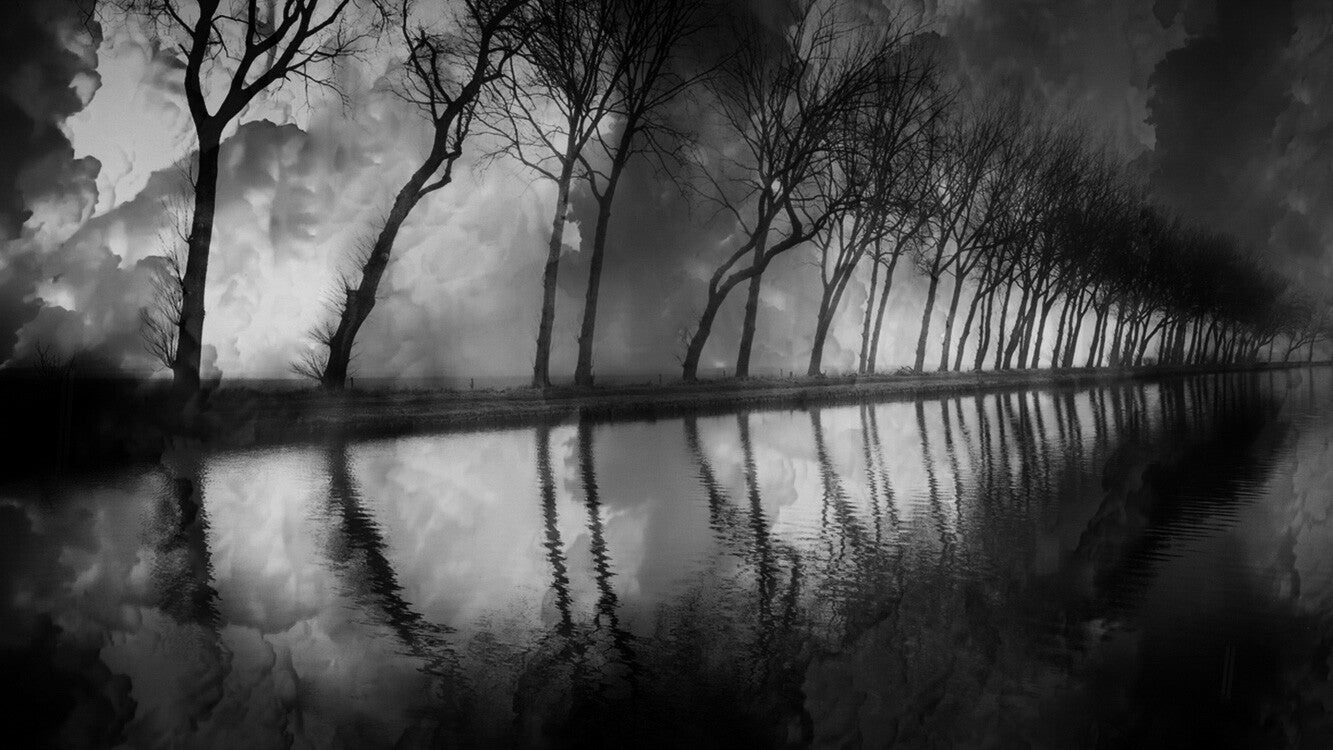
The alchemy of the atmosphere and the weather
Both Léonard Misonne (Gilly, 1870–1943) and contemporary photographer Eddy Verloes share a common Belgian background and artistic vision. Just as Misonne—worldwide known as a master of pictorialism—elevated photography to the level of painting and drawing, Verloes likewise approaches the medium not as a cold, objective record, but as a poetic and symbolic visual language, deeply intertwined with philosophy and imagination.
Léonard Misonne deliberately sought out specific weather conditions—such as fog, rain, snow, and swirling dust—to soften the harsh realism of the world into poetic scenes. His motto was: "The subject is nothing; the light is everything." [1, 2, 3, 4] Eddy Verloes: Shares this obsession with atmospheric conditions. In his award-winning black-and-white series (such as *Losing Our Minds* and his desolate coastal landscapes), the backdrop consists of misty fields, stormy skies, and the infinite emptiness of the sea. Like Misonne, he uses the weather to create a mystical, almost otherworldly atmosphere.
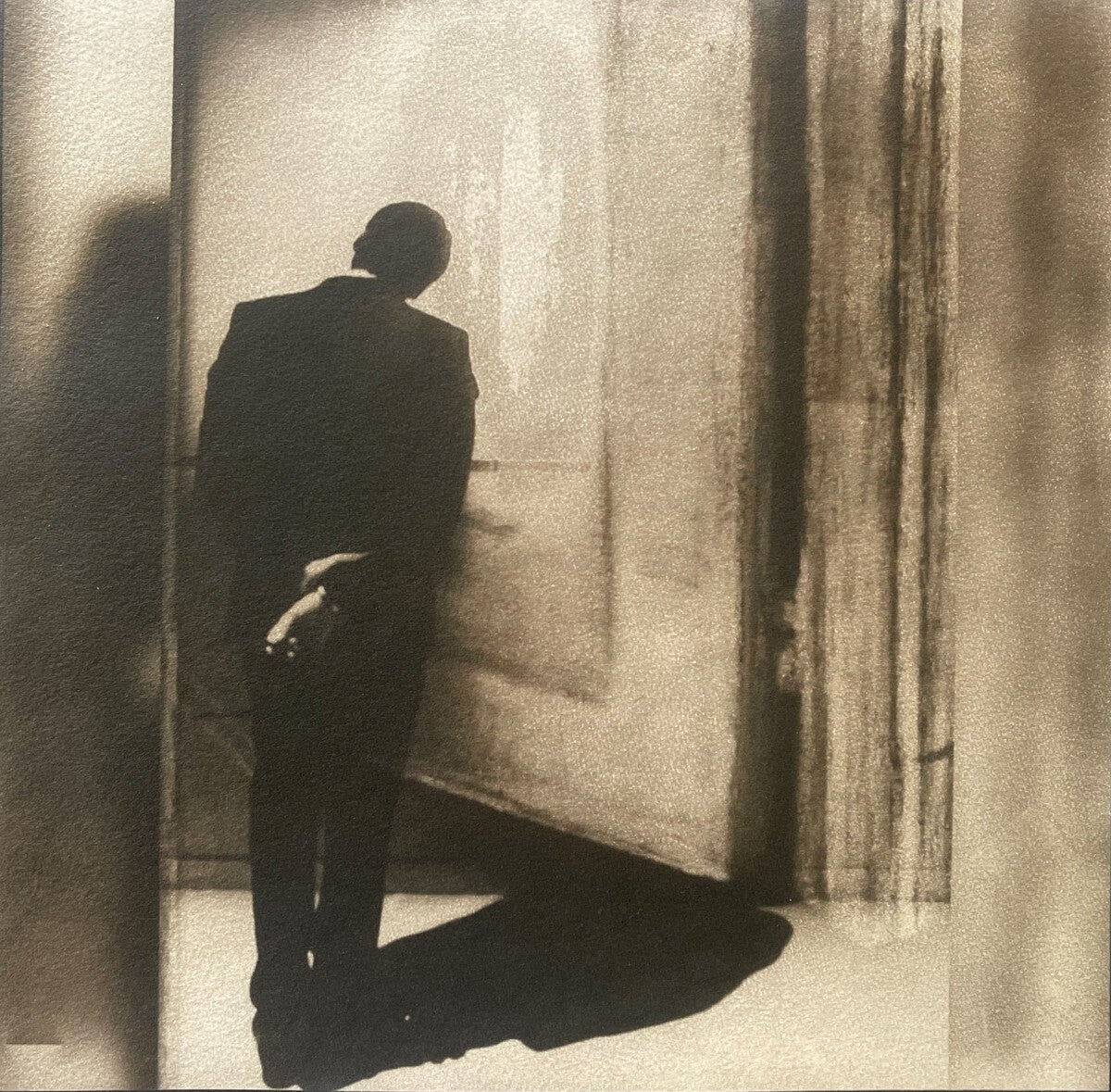
The primacy of light
"Le sujet n’est rien, la lumière est tout." ("The subject is nothing; the light is everything"This renowned statement by Misonne captures the essence of both artists' work. Mist, rain, stormy skies, and strong backlighting define the composition. Verloes employs silhouettes, diffused light, and unpredictable weather conditions to veil tangible reality, transforming it into a canvas imbued with atmosphere and soul.
Léonard Misonne worked primarly with strong backlighting (*contre-jour*). This caused details to dissolve, transforming trees, carts, and pedestrians into dreamlike silhouettes. He even developed his own techniques—such as the *écran flou* (blurred screen)—to enhance this painterly effect. Eddy Verloes employs a similar visual strategy, making frequent use of deep shadows and silhouettes. By omitting information and seeking out high contrast, he creates a psychological layering and tension that is strongly reminiscent of the Pictorialist tradition.
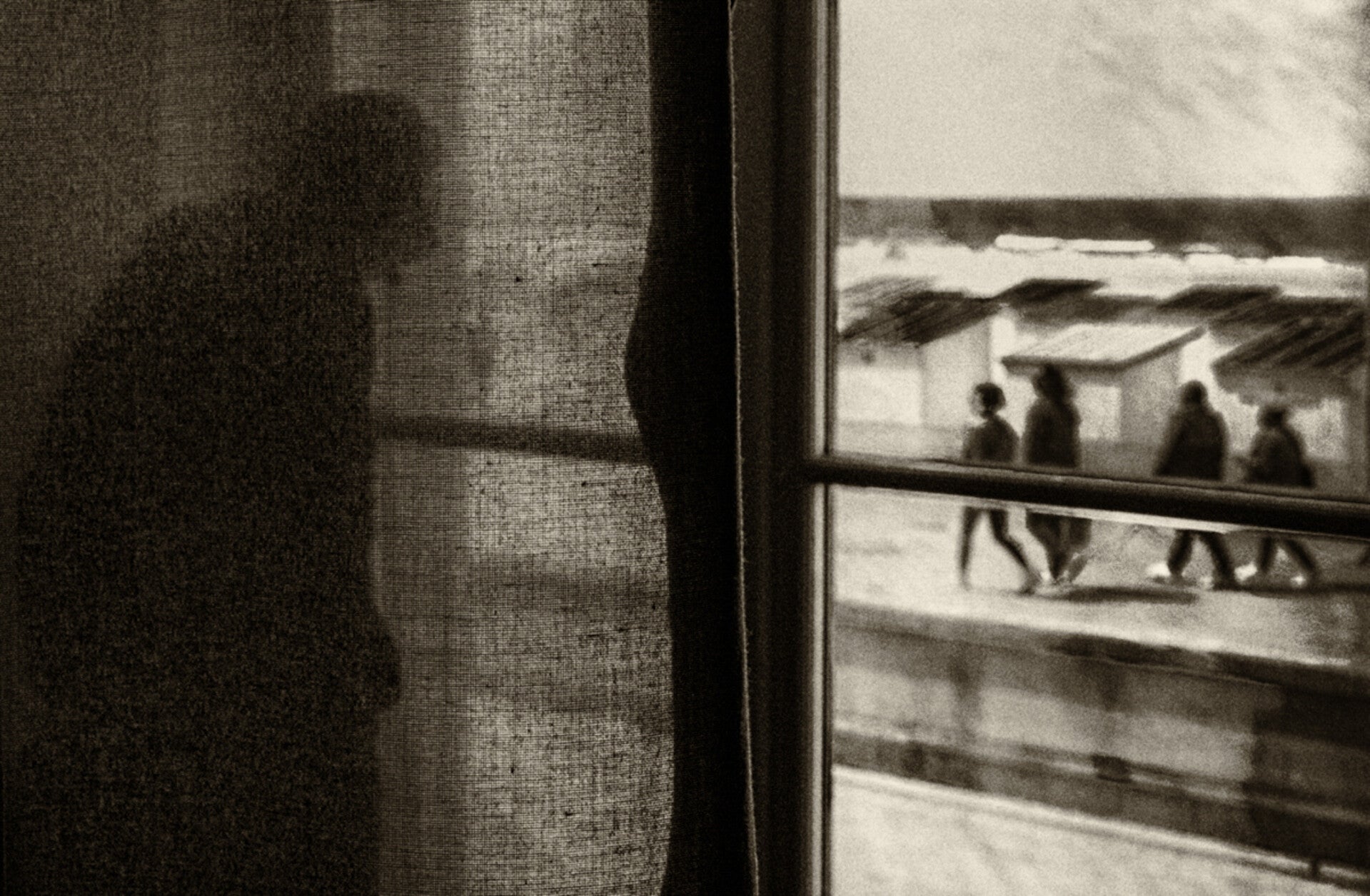
Poetic realism, the solitary human and melancholy
In the work of both photographers, simple street scenes or expansive landscapes take on a quality of timeless wonder. Their images capture solitary figures, introspection, and the quiet dialogue between human beings and their surroundings. Eschewing literal documentation, the photographs invite universal reflection and poetic storytelling.
Léonard Misonne's figures—shepherds, farmhands, or ordinary citizens caught in the rain—are rarely psychological portraits. They are anonymous passersby who dissolve into the grandeur of nature or the dynamism of the urban environment. Eddy Verloes often places solitary, anonymous wanderers or silhouettes within an overwhelming setting. In Verloes’s work, the human figure serves as a symbol of existential loneliness, vulnerability, or the quest for connection—much like the melancholy found in Misonne’s work.